

Willful Blindness
Reflections from Tel Aviv on a quiet Shabbat, as I prepare to lead a J Street delegation to Israel and the West Bank.
If it’s a long holiday weekend in America, it must be time for a rush of delegations to Israel – bringing elected officials, Jewish communal leaders and more.
Most will follow a familiar path:
Meet government officials to hear about threats to Israel’s security.
Hear from pundits who explain why there is no appetite among Israelis to talk about peace, issues related to Palestinians, or occupation.
Hold roundtables about rising antisemitism in Europe, on campuses, and in American politics.
When I hear about these itineraries, the disconnect from the reality I encounter here is staggering.
Even before my own J Street delegation begins, I’ve already had three eye-opening and gut-wrenching dinners.
One with cousins who share great-grandparents who arrived in 1882, part of the First Aliyah.
Another with a former senior security official who works alongside hundreds of retired generals and intelligence leaders who devoted their lives to Israel’s survival.
And finally, last night, with friends and colleagues of three decades – veteran diplomats, builders of civil society, people whose lives have been spent ensuring Israel can be Jewish, democratic, and at peace with its neighbors.
Different tables. The same atmosphere.
Alarm. Grief. Even panic.
At each, we spoke about the West Bank and the grinding reality of ruling over another people without rights or political horizon.
About Gaza and the moral and strategic consequences of destruction that will echo for generations.
About a government steering Israel toward endless conflict and deepening isolation – undermining the liberal democratic foundations that enabled eight decades of growth and prosperity.
Most poignantly, we spoke about their children.
The kids now serving in the IDF – sent to Gaza, sent to the West Bank – ready to protect their families and their country.
And the questions were heartbreaking.
Are they being asked to defend something we no longer recognize? A state acting outside the moral boundaries on which we raised them? When they are done serving, will the Israel they inherit still be a place they want to live?
Each night, the conversation ultimately turned toward the American Jewish community.
Do American Jews really understand where this is heading? Do the established groups visiting this week get to see what’s really happening? Will they hear voices like ours? Will they only meet those in power who agree with them?
And more than anything: how do we get them to do something about what’s going on here?
My friends and family do not criticize their country and government lightly. They are patriots.
And they are looking for partners, not armchair critics.
They struggle to understand the American conversation.
How is it that Jewish leaders are more focused on whether New York’s mayor has condemned a provocative Instagram account than they are on violence unfolding in the West Bank?
Why is AIPAC targeting Congressional candidates who are doing the right thing: critiquing what’s happening here and withholding a blank check from Netanyahu?
How is it that the most acceptable way to support Israel in America is to support Israel’s radical right?
What happened to liberal American Jews?
For those who fear Israel is nearing a point of no return, the disconnect is breathtaking.
The central threat to Israel’s future is not the words critics choose to describe what’s happening here. It is the reality of what is happening, day in and day out.
So to my friends and colleagues from major American Jewish organizations who are visiting now – or coming soon – I have one simple request: Go see.
You don’t have to take my word for it. And you don’t have to travel far.
Drive a short distance east of Tel Aviv. Minutes from Jerusalem.
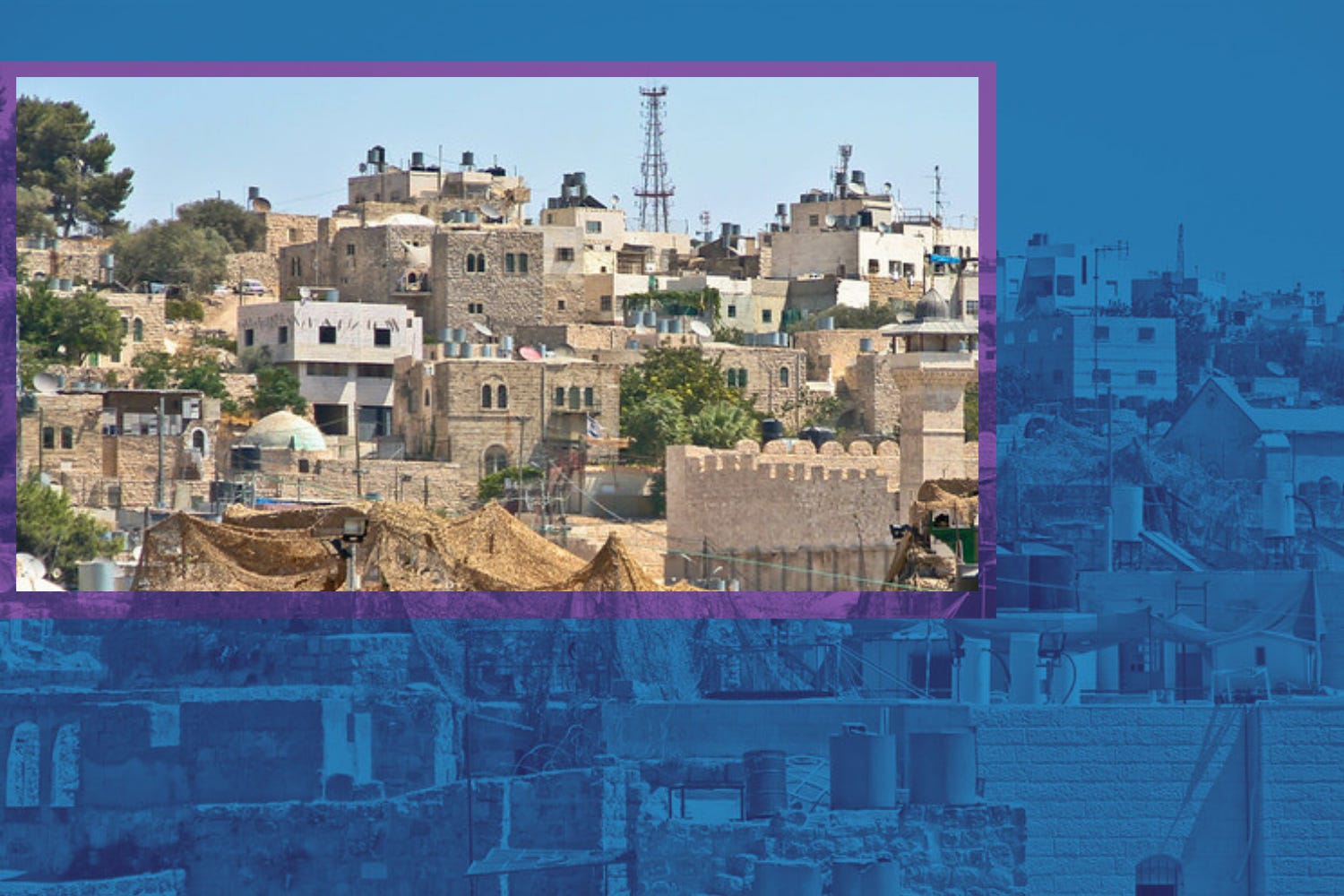
Walk through parts of Hebron where a once-vibrant Palestinian center has been emptied out.
Visit Palestinian villages in the South Hebron Hills whose residents have either already been driven out, whose olive trees have been burned or who are hanging on by a thread under near daily attack.
Speak with Israelis who’ve spent three years in the streets standing up for their democracy against a government intent on taking it apart.
Sit with former military commanders to hear their warning that endless domination is not a strategy for security but a recipe for unending war.
You may come away with different conclusions than I have reached. But you will have looked.
And – hopefully – that is when responsibility kicks in.
Because if you see what is being done in your name, there’s no longer any claiming one didn’t know.
Everyone who comes here comes out of love. And love demands honesty.
Look. Listen. Step beyond the traditional itinerary.
Real friendship is not shielding ourselves from hard truths.
Real friendship is the courage to look in the mirror – together – and act while there’s still time.
If you appreciate the work J Street does, I hope you’ll consider making a grassroots contribution to ensure our voice is heard.
Thank you for your tireless efforts and courage to wake people up. For the sake of all, the path needs to change.
All true. And very concerning.